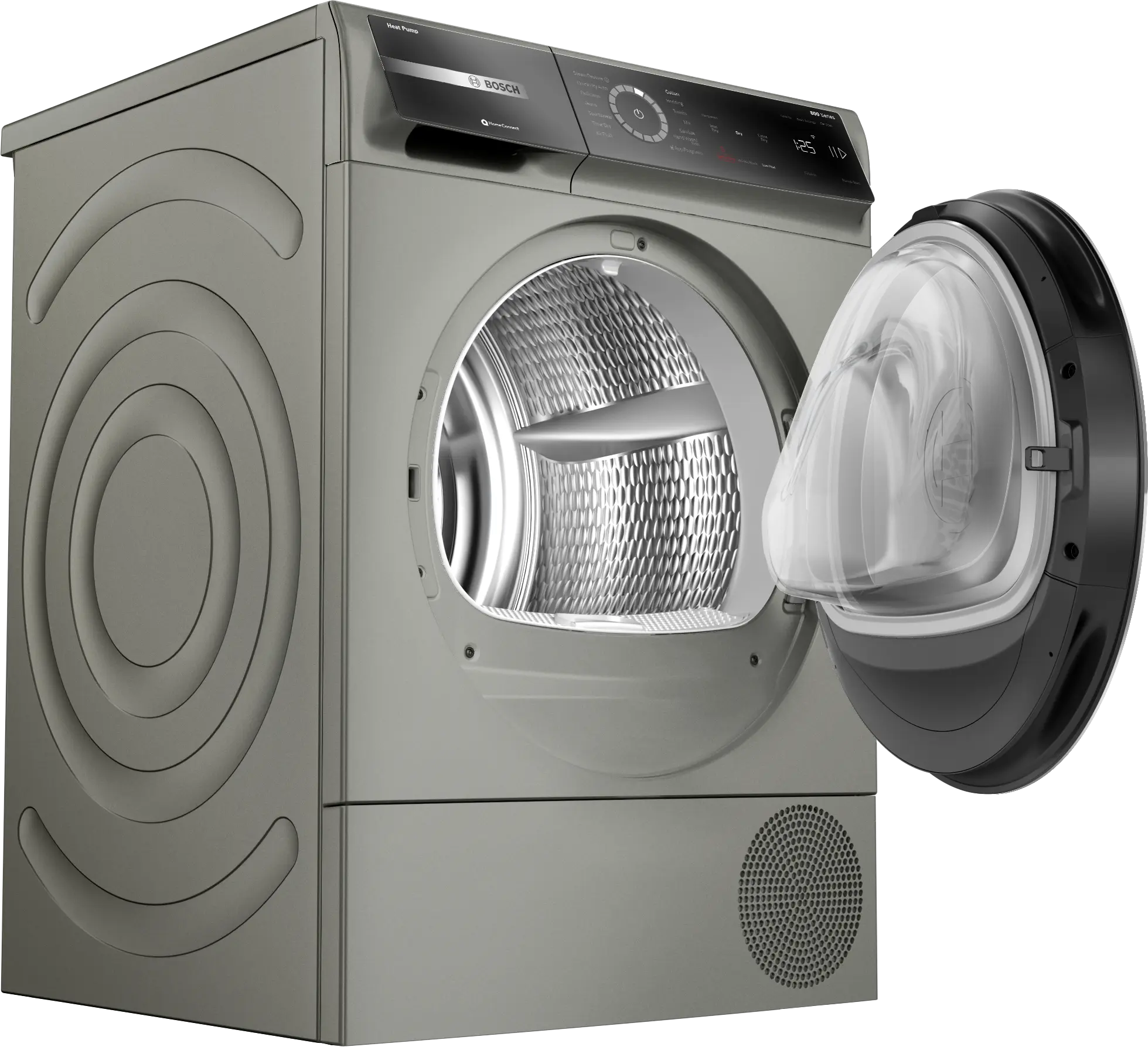
Intro to Heat Pump Clothes Dryers
If you’re thinking about electrifying your home, the heat pump clothes dryer is one of the most underrated upgrades you can make.
Heat pump clothes dryers are an advanced type of electric dryer that uses dramatically less energy than conventional electric dryers. They’re gentler on your clothes, avoid burning fossil fuels, and don’t require a vent to the outside of your home.
ENERGY STAR estimates that heat pump dryers use ~70% less energy than conventional dryers (see page 2 of source). That savings comes from one simple idea: instead of constantly creating new heat, a heat pump dryer reuses heat over and over.
Actions you can take right now:
-
Confirm you have (or can install) a 240V outlet near your washer. Most heat pump dryers require a 240V outlet (similar to standard electric dryers).
-
Check if you already have a drain hookup. Many heat pump dryers can drain condensate through the same drain your washer uses, which means no water tank to empty.
-
Research ENERGY STAR models. ENERGY STAR certification is important both for efficiency and for qualifying for rebates. Search here for models with the “Most Efficient” designation to get the highest rebate.
How do Heat Pump Clothes Dryers work?


On a standard electric or gas dryer the air comes in, it gets heated by a coil or a flame and then is pumped into the drum. When the air becomes saturated with moisture that’s pumped back out, into the vents and pushed outside of your home.
A heat pump dryer works on a closed loop. Instead of constantly pulling in air, heating it, and venting it outside, it continuously recycles the same air through the machine. Instead of sending hot humid air outside through a vent, In other words, a heat pump dryer removes the water from the air and keeps going. As a bonus, the water that’s removed can be pumped directly into the same drain your washer uses, so you don’t have to empty a tank. If you prefer, some models collect that water in a condensation drawer, which can be emptied in your bathtub with the same effort as cleaning the lint filter after each use.
For more detail, you can watch this 90-second explainer video from Energy Star:
What are the benefits of Heat Pump Clothes Dryers?
Heat pump dryers are one of those rare home electrification upgrades that are better for the environment AND better for your utility bill. Some of the benefits include:
1) Lower energy use: ENERGY STAR estimates heat pump dryers use ~70% less energy than conventional dryers (see page 2 of source).
2) No fossil fuel combustion in your home: If you currently own a gas dryer, the air quality in your home will significantly improve.
3) No dryer vent needed: Because the air is reused, you don’t need a vent to the outside. That means fewer drafts, fewer vent clogs, no vent cleaning bills, and importantly, fewer fire risks.
4) Gentler on clothes: Heat pump dryers operate at a lower temperature, which is gentler on fabrics.
5) Flexible installation: Ventless means you have more options for placement in basements, closets, condos, and tighter spaces.
6) No heat emissions: Because heat pump dryers recycle the heat used, That means you won’t spend extra cooling the space around the dryer in the summer.
What should I expect from a heat pump dryer?
- For those who worry about load capacity, make sure you buy a sufficiently-sized model.
Because the heat pump system takes up space, many heat pump dryers are compact. Don’t let that scare you off though. Some compact models still handle surprisingly large items. For reference, one SOMA resident reports that their family’s 24 in. 4 cu. ft. compact model fits a bulky king-sized comforter easily.
- Drying times can be longer because heat pumps run at lower temperatures
Lower temperature drying often means longer cycles. For many people, the energy savings and ventless benefits are worth it, but it’s something to know going in. Energy Star rated washers typically remove more moisture from the clothes through the spin cycle. If you pair your heat pump dryer with an efficient washer, drying times can significantly shorten.
How much do heat pump dryers cost? Are there financial incentives?
Heat pump dryers generally cost more up-front than conventional dryers. In practice, many heat pump dryers land in the $1,200–$2,500 range depending on size (compact vs full), brand, smart features, efficiency tier. If you can afford it, remember that you’re buying efficiency. Despite the up-front cost, savings from reduced energy usage and the lack of vent cleaning bills will offset the cost in time.
PSE&G offers a post-purchase rebate of up to $300 for qualifying ENERGY STAR electric dryers. Heat pump dryers often qualify for the higher rebate amount.
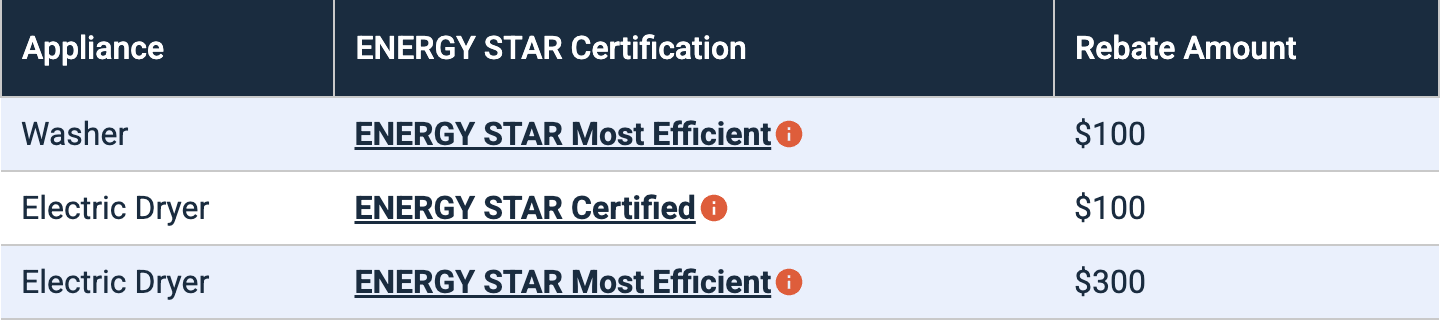
Once your dryer has been installed, you simply fill out this form within 120 days of your purchase. You’ll need your PSE&G account info, the dryer model, and proof of purchase (a receipt will do). Then, a check should come to you in the mail within a few weeks.
Where can I find contractors qualified to install these in Essex County?
Good news – heat pump dryers don’t require a specialized contractor for installation. Most large retailers offer installation service themselves. You only need an electrician to install the 240V outlet if you don’t already have one.